
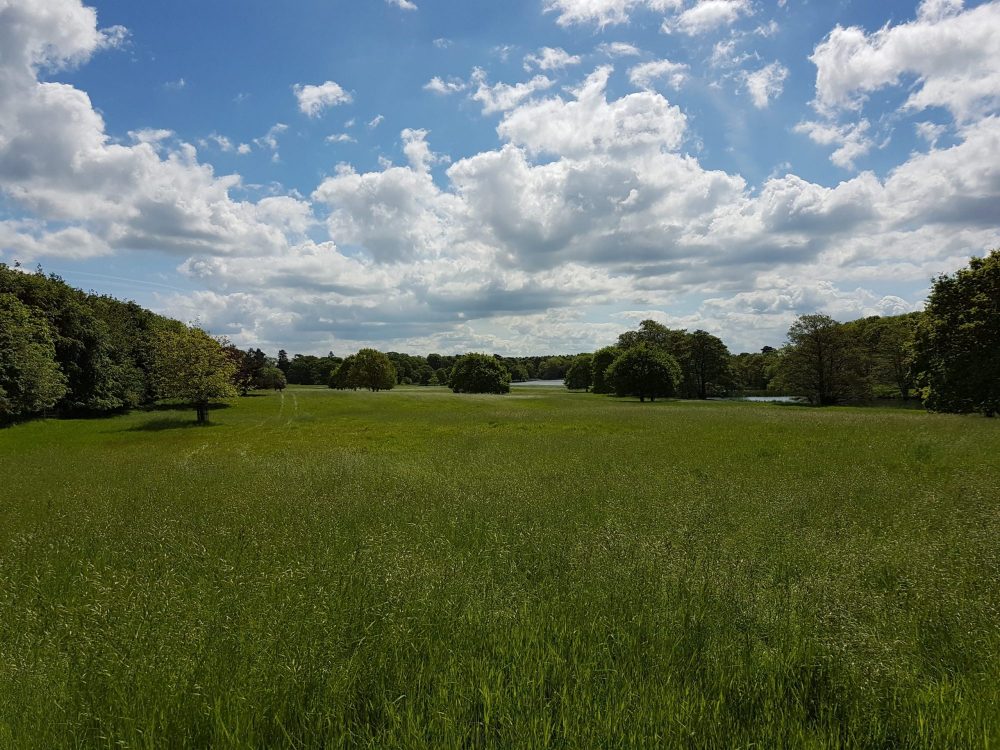
Biodiversity net gain for solar farms and renewable energy
Renewable energy developments are now one of the largest sources of biodiversity net gain work in England. Ground mounted solar farms, battery energy storage systems (BESS), substations and cable routes that are consented through the Town and Country Planning Act must deliver at least a 10% biodiversity net gain, in the same way as housing or commercial development. Nationally significant infrastructure projects (NSIPs), including the largest solar schemes, are expected to follow their own BNG regime once it is brought in.
For many solar developers, BNG renewable energy requirements are not a burden. Solar farms are often built on intensively farmed arable land of low baseline value, and the land beneath and between panels can be converted to species rich grassland. Done properly, this can deliver net gains well above 10% and, in some cases, surplus units that can be registered and sold to other developers.
Baseline surveys for solar and BESS sites
Every BNG calculation starts with the baseline. On solar sites this normally means a UK Habitat Classification survey of the whole red line boundary, including field margins, hedgerows, ditches and any watercourses, together with condition assessments for each habitat parcel. Because solar sites are large and often span many fields, accurate mapping is important. A small error in the area of a higher distinctiveness grassland or the length of a species rich hedgerow can change the result significantly.
Cable routes, access tracks and grid connection points are often overlooked. They are part of the development and need to be included in the baseline. Temporary construction compounds also count as habitat loss unless they are restored, and the metric treats temporary impacts in a particular way. Survey timing matters too: grassland and hedgerow assessments are most reliable between April and September.
How the biodiversity metric treats solar panels
The statutory biodiversity metric does not contain a separate habitat type for solar arrays. The habitat recorded is the vegetation beneath and around the panels, usually grassland. However, the panels shade the ground, change rainfall patterns and restrict access for management, so practitioners and local planning authorities generally take a cautious approach to the condition that can be achieved directly beneath panels.
A realistic solar BNG strategy usually:
- records grassland between and under rows at a condition that reflects shading and access, rather than assuming the best possible outcome
- focuses the highest value habitat creation on areas outside the array, such as field margins, buffer zones and land between the panels and the security fence
- avoids counting piling, inverter pads, transformer bases, tracks and BESS compounds as habitat, as these are sealed or hard surfaces
Security fencing, hedgerows and watercourses
Solar farms almost always require perimeter security fencing, CCTV posts and, in some cases, acoustic barriers around battery storage. These can sever hedgerows or affect watercourse buffers if they are not planned carefully. Because hedgerow and watercourse units are calculated separately from area habitat units, a loss of hedgerow cannot be offset by creating more grassland. Gapping up existing hedges, planting new native hedgerows along boundaries and setting fences back from ditches are cost effective ways of meeting the hedgerow and watercourse trading rules.
Battery storage BNG and BESS biodiversity net gain
Battery energy storage systems occupy a much smaller footprint than solar farms but have a high proportion of hardstanding, containers, access roads and drainage infrastructure. BESS biodiversity net gain is therefore usually delivered through landscaping around the compound, attenuation ponds designed as wetland habitat, native hedgerow and woodland screening, and grassland enhancement in the remaining field. Where the compound sits within a larger landholding, the landowner may also be able to deliver gains on adjacent land, secured through a legal agreement.
Grazing or meadow management?
Sheep grazing is common on solar farms and can support good condition grassland if stocking rates are controlled. Alternatively, a cutting regime with hay removal can create species rich meadow. The right choice depends on soils, the seed mix, the landowner and the operator. Whatever is proposed, it has to be deliverable for at least 30 years, so it should be set out clearly in the habitat management and monitoring plan, with targets, monitoring years and remedial actions if targets are missed.
Generating surplus biodiversity units
Where a solar farm delivers significantly more than 10% gain, the surplus may be capable of registration on the biodiversity gain sites register and sale to other developments. This is attractive to landowners and developers, but it requires careful structuring. The surplus must be additional to what the solar scheme itself needs, must be secured through a conservation covenant or section 106 agreement, and must be managed and monitored for at least 30 years. The lease length for the solar scheme, the decommissioning plan and land restoration at the end of the operational period all need to be compatible with that 30 year commitment. Our guides to habitat banking and BNG units explain the process.
What to submit with a solar or BESS planning application
A renewable energy application subject to BNG normally includes a statutory metric, a baseline habitat plan, a proposed habitat plan, a BNG assessment report explaining the approach to shading, fencing and infrastructure, and an outline habitat management and monitoring plan. After consent, the biodiversity gain plan must be approved before development begins, and the legal agreement securing significant on-site gains must be in place.
Wind, hydro and other renewable energy schemes
The same principles apply to onshore wind turbines, small hydro schemes, anaerobic digestion plants and grid infrastructure. Wind turbines have a small footprint, but access tracks, crane pads and cable trenches can cross sensitive upland habitats such as blanket bog, heath and species rich grassland, which are high or very high distinctiveness habitats. Irreplaceable habitats sit outside the metric altogether and must be avoided. Hydro schemes affect watercourses directly, so the watercourse metric and river condition assessments become central to the calculation. Anaerobic digestion and grid substations behave more like commercial developments, with high hardstanding coverage and a likely need for off-site units. In every case, early survey of the access and cable routes is the single most effective way to avoid costly redesign.
Planning ahead for solar BNG
The best results come when the ecologist is involved before the panel layout is fixed. Simple decisions, such as setting arrays back from hedgerows, keeping a wider buffer along watercourses, leaving field corners open for wildflower grassland and routing cables through existing gateways, can lift the metric result substantially at little cost. Agreeing the approach to condition beneath panels with the local planning authority at pre-application stage also reduces the risk of dispute later.
How Collington Winter supports renewable energy projects
Collington Winter works with solar and battery storage developers, landowners and agents throughout England. We carry out baseline habitat and condition surveys, prepare statutory metric calculations, advise on layout changes to protect hedgerows and watercourses, write habitat management and monitoring plans and help identify surplus units for registration. Talk to our BNG consultant team or get a quote for your renewable energy project.
Frequently asked questions
+Do solar farms need to deliver biodiversity net gain?
Yes. Ground mounted solar farms consented through the Town and Country Planning Act must deliver at least a 10% biodiversity net gain unless an exemption applies. Nationally significant solar projects are expected to follow a separate BNG regime for NSIPs when it is introduced.
+Can solar farms achieve more than 10% biodiversity net gain?
Often, yes. Many solar farms are built on arable land of low baseline value. Converting that land to well managed grassland, with new hedgerows and buffer habitats, can deliver gains well above 10%, provided the metric reflects realistic condition beneath shaded panels.
+How does the biodiversity metric treat land under solar panels?
There is no specific solar habitat type. The vegetation under and around panels is recorded, usually grassland. Because shading and restricted access affect habitat quality, a cautious condition is normally applied directly beneath panels, with higher value habitat focused on open areas.
+Does battery storage need BNG?
Yes. Battery energy storage systems consented through planning are subject to mandatory BNG. Because BESS compounds are largely hardstanding, gains are usually delivered through surrounding landscaping, wetland attenuation features, hedgerows and grassland enhancement, or through off-site biodiversity units.
+Can surplus units from a solar farm be sold?
Potentially. Gains above what the solar scheme needs can be registered on the biodiversity gain sites register and allocated to other developments, if they are secured by a legal agreement and managed for at least 30 years. The lease and decommissioning arrangements must support that commitment.
+Is sheep grazing compatible with BNG on solar farms?
It can be. Controlled sheep grazing can maintain good condition grassland under and between panels. Stocking rates, timing and monitoring must be set out in the habitat management and monitoring plan so the target condition is reached and maintained for 30 years.
+Do cable routes count in a solar farm BNG calculation?
Yes. Cable routes, access tracks, construction compounds and grid connection works within the red line boundary are part of the development. Temporary impacts must be included and the affected habitats restored or compensated for in the metric.
+What happens to BNG when a solar farm is decommissioned?
The habitat gains must be maintained for at least 30 years from completion. If the operational life or lease is shorter, the legal agreement and management plan need to explain how habitats will be protected and managed after decommissioning, so the land manager understands its obligations.
About the author
Olivia Collington
Olivia is Managing Director of Collington Winter Environmental and a Chartered Environmentalist with the Institute of Environmental Sciences. She holds Natural England bat, great crested newt and badger mitigation licences and specialises in Biodiversity Net Gain assessments using the statutory metric.
View profileRelated reading
- Biodiversity Net Gain 2024: Guidance on new rules
- Habitat Bank Creation: What you need to know
- Alternative Farm Income: Maximising Opportunities with BNG & Habitat Banking
- What is Biodiversity Net Gain? A Plain-English Guide
- Biodiversity Net Gain Consultants in Bolton
- Biodiversity Net Gain Consultants in Manchester