
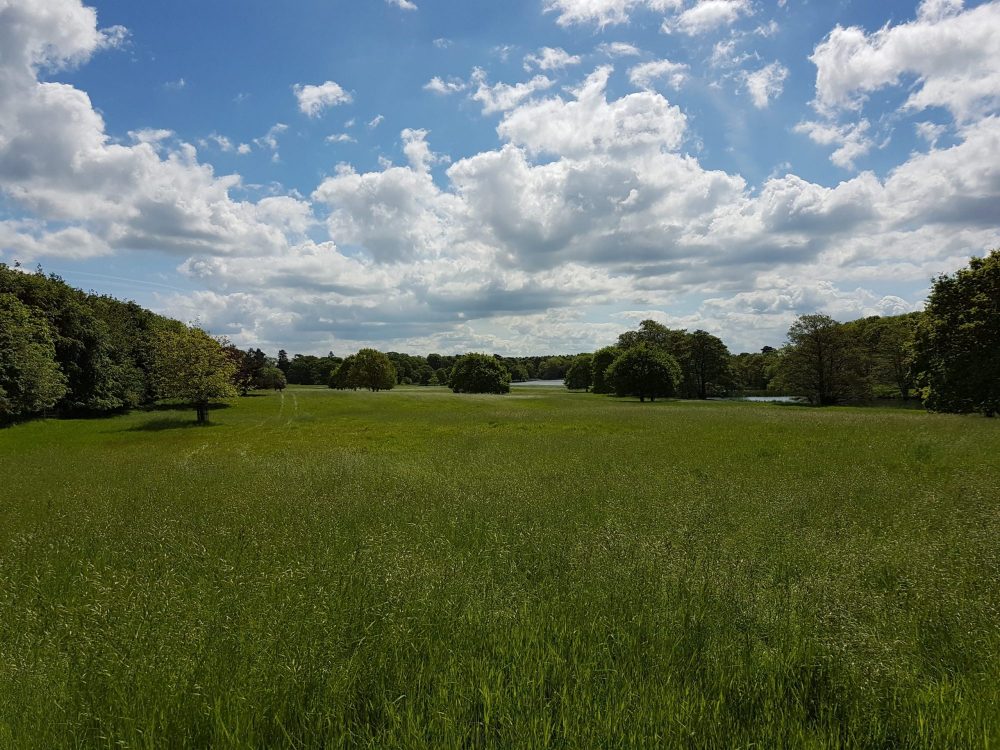
What is Biodiversity Net Gain?
Biodiversity Net Gain, usually shortened to BNG, is an approach to development that aims to leave biodiversity in a measurably better state than before. In England, the statutory system requires most qualifying developments to achieve at least a 10% increase in biodiversity value. The comparison is made using a habitat-based biodiversity metric, not simply by counting trees, birds or square metres of landscaping.
At Collington Winter Environmental, we approach BNG as an ecological and design exercise. A useful assessment explains what is present, what a proposal would change, which habitats should be retained, and how a credible gain can be delivered. The calculation matters, but so do habitat quality, location and the likelihood that promised improvements will actually establish.
Key takeaways
- The statutory minimum is a 10% gain for development within scope in England.
- Mandatory BNG began for major development on 12 February 2024 and small development on 2 April 2024, subject to exemptions and transitional rules.
- Avoiding damage comes before relying on replacement habitat elsewhere.
- Habitat gains need realistic management, monitoring and appropriate legal security.
- A numerical gain does not remove obligations relating to protected species or important sites.
Why habitat quality matters as much as habitat area
A hectare of species-rich grassland does not have the same biodiversity value as a hectare of closely mown amenity grass. Habitats differ in distinctiveness, ecological condition and strategic significance. The statutory biodiversity metric uses these characteristics, together with area or length, to calculate biodiversity units. Proposals to create or enhance habitat are then adjusted for relevant delivery risks.
This means a larger area of low-value landscaping may not compensate for a smaller loss of a more valuable habitat. Some losses must be replaced with habitats of a specified distinctiveness or the same habitat type. Hedgerows and watercourses are also accounted for separately from area habitats. A surplus of grassland units cannot simply erase a hedgerow shortfall.
Our guide to biodiversity metric calculations explains the inputs, separate unit types and trading rules. The important practical lesson is that the baseline survey shapes the whole strategy. Misidentifying an existing habitat can make a seemingly successful design fail when the evidence is checked.
When does the legal requirement apply?
The mandatory framework sits within the Town and Country Planning Act 1990, as amended by the Environment Act 2021. For in-scope permissions, a general biodiversity gain condition prevents development beginning until the planning authority has approved a biodiversity gain plan. The condition applies by statute; it is not dependent on an officer choosing to add ordinary wording to a decision notice.
Application dates and development categories matter. An older permission, a later variation and a new application on the same land do not necessarily have identical BNG obligations. Certain development is exempt, including householder applications and qualifying self-build or custom-build development. A tightly defined de minimis exemption can apply where no priority habitat is affected and impacts stay below the relevant habitat thresholds.
Do not assume that a small site is automatically exempt. Nor does exemption from mandatory BNG mean that ecology surveys or local planning policies disappear. Read whether biodiversity net gain is mandatory for the main scope questions, and check the legislation and guidance applicable when an application is made.
How the biodiversity gain hierarchy works
The biodiversity gain hierarchy gives structure to decision-making. It is not intended to turn habitat loss into an automatic purchase of replacement units. For on-site habitats of medium distinctiveness or above, the statutory hierarchy starts with avoiding adverse effects, then mitigating effects where avoidance is not possible. Compensation then follows the required order, with on-site improvements considered before off-site options and statutory credits last.
In practice, good ecological design begins by considering avoidance across the site, including habitats outside that specific statutory threshold. Moving a building footprint, protecting root zones or reducing road widths can preserve features that would be difficult to recreate. Existing connected habitats often deliver benefits that a newly planted isolated area cannot immediately provide.
Three routes to delivering the required gain
- On-site provision: retain valuable features and create or enhance habitats within the development boundary, with suitable management arrangements.
- Off-site provision: use an appropriately secured gain site, whether on land under the developer's control or through purchased units allocated to the project.
- Statutory biodiversity credits: use the government's last-resort mechanism where the requirements for doing so are met, rather than confusing credits with ordinary market units.
A project can combine routes. However, off-site locations affect the metric through the spatial risk multiplier, and trading rules still apply. Purchasing an unspecified quantity of generic units before completing the assessment is therefore risky.
From initial survey to approved gain plan
The first step is to establish the pre-development habitat baseline. An ecologist maps habitats, assesses condition where required, checks relevant records and identifies features needing further investigation. Seasonal constraints may affect what can be reliably surveyed. The assessment must also consider whether earlier habitat degradation triggers rules requiring an earlier baseline rather than the site's current condition.
Next, we test the proposed layout against that baseline. Retained habitats need meaningful protection, while new habitats need enough space, suitable soils, appropriate hydrology and manageable long-term uses. An attractive landscape drawing is not automatically an achievable habitat creation plan. Drainage infrastructure, recreation, shading and utilities can all affect the outcome.
The planning application normally needs baseline information and an explanation of the intended BNG approach. After permission, the biodiversity gain plan demonstrates how the objective will be met and must be approved before development starts. Phased development has additional plan requirements. Our guide to how to achieve biodiversity net gain sets out a practical delivery sequence.
Understanding what a 10% gain actually means
Imagine a site with a baseline of 20 area habitat units. A 10% uplift means a target of at least 22 area habitat units, subject to the relevant rules. It does not mean landscaping 10% of the site or planting 10% more trees. If the proposed development retains and delivers only 16 suitable units on site, an additional compliant contribution would be needed to meet the target.
This simplified illustration is not a calculation for a real project. Actual assessments account for habitat types, condition, time to target condition, delivery difficulty and location, along with separate hedgerow and watercourse requirements where relevant. The metric must also pass its trading checks; the final percentage alone is insufficient.
Common misunderstandings to avoid
Replacing mature habitat with new planting does not provide an immediate like-for-like ecological outcome. New habitats take time to establish and can fail if their soil or management is unsuitable. The metric includes risk adjustments, but these do not remove the need for professional judgement or monitoring.
Similarly, buying off-site units is not a licence to disregard on-site opportunities. The hierarchy and planning evidence remain relevant, and a gain site must offer the correct units with appropriate allocation and legal arrangements. Our explanation of habitat banking describes how landowners can create those off-site opportunities and why long-term delivery matters to both sides of a transaction.
Legal security, management and evidence
Biodiversity gains need more than a planting schedule. Significant on-site habitat enhancements and registered off-site gains must be secured for a minimum of 30 years. For off-site gains, the period runs from completion of the habitat enhancement works. Delivery arrangements should identify the land, the management obligations, the responsible parties, the monitoring programme and the remedies if habitat targets are missed. A section 106 planning obligation or conservation covenant can secure off-site delivery. Conservation covenants are agreements with designated responsible bodies; they are not simply private promises between a seller and buyer.
A Habitat Management and Monitoring Plan, often called an HMMP, translates the ecological proposal into practical tasks. It should describe the starting condition, intended habitat, establishment work, annual management, monitoring methods and measurable milestones. It should also explain how management will change if monitoring shows that the habitat is not developing as expected. Funding, access rights and responsibility after a land sale deserve attention before the documents are signed.
Registration is not the same as ecological approval
Natural England operates the Biodiversity Gain Sites Register for off-site gains. Registration and allocation link secured habitat gains to a development, helping prevent the same units being allocated twice. Register entry does not replace the developer's responsibility to demonstrate compliance, the local planning authority's approval of the biodiversity gain plan, or the land manager's duty to deliver the habitat. Ordinary on-site gains are not registered through this off-site register.
Read the metric alongside wider environmental duties
BNG does not replace protected-species legislation, designated-site protection, environmental assessment or other planning requirements. A scheme can show a numerical uplift and still be unacceptable because it damages an important ecological feature or fails another legal test. Irreplaceable habitats, such as ancient woodland, have special arrangements: losses are not compensated through ordinary metric trading, and bespoke compensation does not make an otherwise unacceptable loss acceptable.
Local Nature Recovery Strategies provide important spatial context. Where applicable, their mapped priorities inform strategic significance in accordance with metric guidance. They can also help identify better-connected habitat projects, but do not automatically make any planting scheme suitable. We consider ecological function, practical management and planning evidence together rather than treating the spreadsheet as the whole assessment.
Talk to our ecologists
Call 01204 939 608 or send us a message using the form on this page for an initial discussion about your site.
Frequently asked questions
+What does the 10% requirement measure?
The statutory target compares biodiversity value before development with the compliant post-development position. It is measured in habitat units using the applicable metric, not as a percentage of the land landscaped or the number of trees planted. Separate area habitat, hedgerow and watercourse accounts must be considered where relevant, and habitat trading rules must also be satisfied. A favourable headline percentage does not establish compliance on its own.
+When did mandatory BNG begin in England?
Mandatory BNG commenced for major development on 12 February 2024 and for small development on 2 April 2024, subject to exemptions and transitional arrangements. The relevant application history and permission route matter, so the construction start date alone does not determine whether the requirement applies. Older permissions and later variations need individual review. These dates should not be applied indiscriminately to separate infrastructure consent regimes.
+Can off-site biodiversity units replace all on-site measures?
Off-site units can help meet a shortfall, but they do not remove the need to follow the biodiversity gain hierarchy or address other ecological requirements. The units must be appropriate for the habitat losses, adjusted for the applicable spatial risk multiplier, legally secured, registered and allocated to the development. Retained on-site habitats still need protection. Buying units does not justify harm that is unacceptable under another planning or legal test.
+How long must biodiversity gains be maintained?
Significant on-site habitat enhancements and registered off-site gains require appropriate arrangements for at least 30 years. For off-site gains, this period runs from completion of the habitat enhancement works. Legal documents and management plans should identify responsibilities, monitoring, funding and corrective action. The commitment should be considered before any land transaction, because management obligations can affect future owners, occupiers and the flexibility to change land use.
+What is the difference between units and statutory credits?
Biodiversity units normally describe habitat value calculated through the metric, including privately supplied off-site gains. Statutory biodiversity credits are a government last-resort mechanism available under the mandatory framework, subject to the relevant requirements. They are not simply another name for habitat bank units. Developers should establish their on-site position and suitable off-site options before relying on credits, and should follow the applicable purchasing and evidence requirements.
+Does BNG replace protected-species surveys?
No. BNG is primarily a habitat-based assessment and does not replace protected-species legislation, designated-site protection or other environmental requirements. Species surveys may still be needed to inform planning, licensing and mitigation, even where a development is exempt from mandatory BNG. A proposal that achieves a numerical habitat uplift can still require redesign or further evidence because of its effects on bats, nesting birds, important habitats or protected sites.
+What does a Habitat Management and Monitoring Plan contain?
An HMMP describes the baseline, target habitats, establishment works, ongoing management and monitoring needed to deliver the proposed gains. It should identify responsible parties, measurable milestones and the response if habitats are not developing as intended. Practical details such as access, grazing or mowing arrangements, invasive-species control and funding are important. The plan should agree with the metric, habitat drawings and legal obligations rather than operating as a separate generic document.
+Is BNG simply another term for landscaping?
No. Landscaping can contribute to BNG when the proposed habitats meet the metric requirements and can achieve their intended condition, but the concepts are not interchangeable. Ornamental planting or amenity space may offer limited biodiversity value compared with other habitats. BNG also involves a documented baseline, trading checks, a delivery strategy and appropriate management and legal arrangements. Its purpose is a measurable ecological improvement, not just a greener-looking development.
About the author
Olivia Collington
Olivia is Managing Director of Collington Winter Environmental and a Chartered Environmentalist with the Institute of Environmental Sciences. She holds Natural England bat, great crested newt and badger mitigation licences and specialises in Biodiversity Net Gain assessments using the statutory metric.
View profileRelated reading
- Biodiversity Net Gain 2024: Guidance on new rules
- Habitat Bank Creation: What you need to know
- Alternative Farm Income: Maximising Opportunities with BNG & Habitat Banking
- Habitat Banking: Selling Biodiversity Units from Your Land
- Biodiversity Net Gain Consultants in Bolton
- Biodiversity Net Gain Consultants in Manchester