
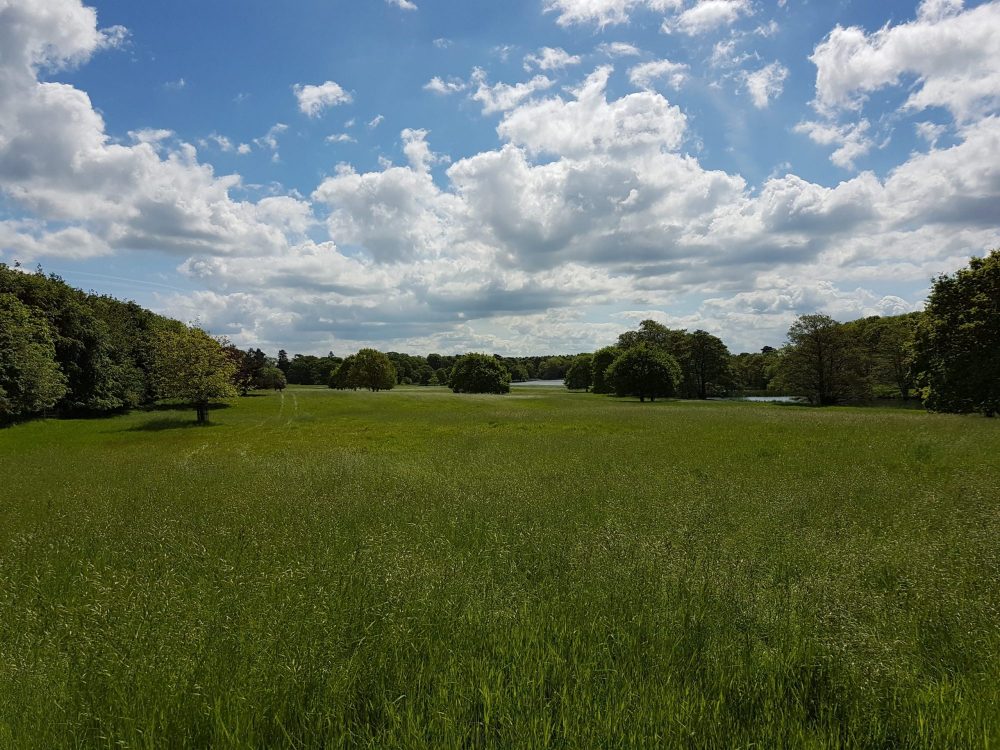
Biodiversity metric calculations for planning applications
Biodiversity metric calculations translate mapped habitats and proposed changes into a structured measure of biodiversity value. For development subject to mandatory BNG in England, the statutory biodiversity metric is the required framework, with the Small Sites Metric available only where its eligibility criteria are met. The statutory metric was published in January 2024; the correct current tool and guidance should be checked when preparing a submission.
At Collington Winter Environmental, we use calculations to inform design rather than merely report a percentage at the end. Accurate baseline mapping, appropriate condition assessments and realistic future habitat assumptions are essential. A spreadsheet can perform the arithmetic, but it cannot determine whether the entered habitat is correctly identified or achievable on a particular site.
Key takeaways
- The statutory minimum is usually a 10% uplift for development within scope.
- Area habitats, hedgerows and watercourses have separate unit accounts.
- Condition, distinctiveness and strategic significance affect habitat value.
- Time, delivery difficulty and off-site location can reduce the credited gain.
- Trading rules must be satisfied as well as the headline percentage.
- Illustrative calculations are not a substitute for a completed statutory workbook.
Establishing the pre-development baseline
The baseline describes habitats before development. An assessment normally combines site survey, habitat mapping, condition evidence and relevant desk information. Areas and lengths must reconcile with the submitted plans, and habitat parcels should be traceable between the map, condition assessment and workbook.
Aerial photography alone cannot reliably establish the condition or species composition of many habitats. Access restrictions and survey timing should be stated, with further work undertaken where necessary. The assessor also needs to consider whether previous habitat degradation means an earlier baseline must be used under the statutory rules. Clearing vegetation first is not a reliable way to reduce a development's BNG liability.
The baseline is not simply a catalogue of protected species. Species surveys may be essential for planning, but the metric is primarily habitat-based. The two workstreams need to inform each other without being confused. Our guide to what biodiversity net gain means explains this distinction in plain English.
The three separate unit types
Area habitat units
Grassland, woodland, scrub and many other habitats are assessed using area, normally in hectares. Their baseline value reflects habitat distinctiveness, condition and strategic significance according to the tool's rules. Some habitat categories have fixed or special assessment requirements, so not every field can be freely edited.
Hedgerow units
Hedgerows use a separate length-based account. Their habitat classification and condition assessment consider features relevant to hedgerow quality. A development with a surplus of area habitat units can still fail the hedgerow requirement if it loses hedgerow value without appropriate replacement or enhancement.
Watercourse units
Watercourses also have a separate length-based account and specialist assessment requirements. The relevant river condition methodology and any applicable encroachment factors must be considered. Proximity to a watercourse can therefore create assessment needs that are not obvious from the building footprint alone. Watercourse effects require suitably competent assessment, not an assumption that only the channel matters.
What changes a habitat's biodiversity value?
Distinctiveness reflects the relative ecological value of habitat types within the metric. It is not a discretionary score awarded because a landscape looks attractive. The correct habitat classification determines the applicable category and influences trading requirements.
Condition describes how well the habitat meets the relevant assessment criteria. Species composition, structure and undesirable features may matter, depending on the habitat. Condition must be supported by survey evidence rather than selected to make the calculation balance.
Strategic significance reflects the habitat's relationship to relevant local ecological priorities. Local Nature Recovery Strategies increasingly provide that spatial context where applicable. The metric guidance explains which evidence supports each score. A habitat cannot simply receive a higher score because the applicant considers it worthwhile.
For created and enhanced habitats, the calculation also considers how long the target will take to achieve and how difficult delivery is expected to be. These adjustments recognise uncertainty and delay. Promising a demanding target condition can increase the apparent opportunity, but it may also increase management risk and needs a credible ecological explanation.
Spatial risk and off-site units
Off-site delivery is affected by a spatial risk multiplier. For area habitats and hedgerows, relevant local planning authority and National Character Area relationships inform the applicable category. Watercourses use their own catchment-based approach. Broadly, greater separation from the development's relevant locality can mean more off-site units are needed for the same credited contribution.
The multiplier is not a statement that distant habitat has no ecological value. It is a mechanism for encouraging delivery closer to the area affected. Buyers should assess a gain site's location against their own development before agreeing a quantity of units. Our guide to habitat banking explains how registered off-site gains are generated and allocated.
Trading rules: why a percentage is not enough
The metric constrains which gains can compensate for particular losses. Very high distinctiveness habitats require bespoke consideration. High distinctiveness losses generally require the same habitat type, while medium distinctiveness losses generally require the same broad habitat type or a habitat of higher distinctiveness. Lower-distinctiveness losses have greater flexibility, within the tool's rules.
These requirements operate alongside separate area, hedgerow and watercourse accounts. A project can exceed 10% overall in one account and still fail because a particular habitat trade is not permitted. The workbook's rule checks and supporting guidance must therefore be reviewed, with any unresolved issues addressed rather than hidden behind a summary graphic.
A clearly hypothetical worked example
The following numbers are invented solely to explain the arithmetic. They are not a real project, a completed statutory metric or a prediction of what any site will deliver. Assume a single eligible area-habitat account and compatible habitat trading throughout.
- A hypothetical baseline contains 10.00 area habitat units.
- The minimum 10% target is 11.00 units: 10.00 multiplied by 1.10.
- After retention, creation and enhancement, the hypothetical on-site result is 8.00 units, already adjusted for applicable time and difficulty factors.
- The remaining credited requirement is 3.00 units.
- Assume, only for illustration, that the proposed off-site supply attracts a 0.75 spatial risk multiplier. A purchase of 4.00 suitable off-site units would contribute 3.00 credited units, because 4.00 multiplied by 0.75 equals 3.00.
- The combined credited total becomes 11.00 units, meeting the numerical target under these simplified assumptions.
This example deliberately excludes hedgerows, watercourses, special habitat rules and detailed parcel calculations. The real assessment must establish whether the chosen multiplier applies and whether each unit is eligible, legally secured, registered and allocated. A correct multiplication does not establish ecological compliance.
When can the Small Sites Metric be used?
The Small Sites Metric simplifies assessment for eligible small developments. It is not an exemption from BNG and is not appropriate for every small planning application. Eligibility depends on the development definition and ecological constraints; priority habitats, protected sites and relevant species considerations can prevent its use under the tool's rules.
The person completing it must be competent for the task, and specialist ecological advice may still be needed. Where the simplified tool is unsuitable, the full statutory metric should be used. For the relationship between size, commencement dates and exemptions, see whether BNG is mandatory.
Preparing a transparent submission
A useful calculation package includes the completed workbook, baseline and proposed habitat plans, condition evidence, assumptions and an explanation of off-site requirements. The drawings, landscape specification and management proposals should agree. If the drainage layout changes, the metric may need to change too.
We also look for a delivery margin where appropriate, rather than relying on optimistic assumptions to meet the exact threshold. The objective is an auditable assessment that remains coherent as design develops and supports the later biodiversity gain plan, not merely a favourable number in an early feasibility report.
Legal security, management and evidence
Biodiversity gains need more than a planting schedule. Significant on-site habitat enhancements and registered off-site gains must be secured for a minimum of 30 years. For off-site gains, the period runs from completion of the habitat enhancement works. Delivery arrangements should identify the land, the management obligations, the responsible parties, the monitoring programme and the remedies if habitat targets are missed. A section 106 planning obligation or conservation covenant can secure off-site delivery. Conservation covenants are agreements with designated responsible bodies; they are not simply private promises between a seller and buyer.
A Habitat Management and Monitoring Plan, often called an HMMP, translates the ecological proposal into practical tasks. It should describe the starting condition, intended habitat, establishment work, annual management, monitoring methods and measurable milestones. It should also explain how management will change if monitoring shows that the habitat is not developing as expected. Funding, access rights and responsibility after a land sale deserve attention before the documents are signed.
Registration is not the same as ecological approval
Natural England operates the Biodiversity Gain Sites Register for off-site gains. Registration and allocation link secured habitat gains to a development, helping prevent the same units being allocated twice. Register entry does not replace the developer's responsibility to demonstrate compliance, the local planning authority's approval of the biodiversity gain plan, or the land manager's duty to deliver the habitat. Ordinary on-site gains are not registered through this off-site register.
Read the metric alongside wider environmental duties
BNG does not replace protected-species legislation, designated-site protection, environmental assessment or other planning requirements. A scheme can show a numerical uplift and still be unacceptable because it damages an important ecological feature or fails another legal test. Irreplaceable habitats, such as ancient woodland, have special arrangements: losses are not compensated through ordinary metric trading, and bespoke compensation does not make an otherwise unacceptable loss acceptable.
Local Nature Recovery Strategies provide important spatial context. Where applicable, their mapped priorities inform strategic significance in accordance with metric guidance. They can also help identify better-connected habitat projects, but do not automatically make any planting scheme suitable. We consider ecological function, practical management and planning evidence together rather than treating the spreadsheet as the whole assessment.
Talk to our ecologists
Call 01204 939 608 or send us a message using the form on this page for an initial discussion about your site.
Frequently asked questions
+What does the 10% requirement measure?
The statutory target compares biodiversity value before development with the compliant post-development position. It is measured in habitat units using the applicable metric, not as a percentage of the land landscaped or the number of trees planted. Separate area habitat, hedgerow and watercourse accounts must be considered where relevant, and habitat trading rules must also be satisfied. A favourable headline percentage does not establish compliance on its own.
+When did mandatory BNG begin in England?
Mandatory BNG commenced for major development on 12 February 2024 and for small development on 2 April 2024, subject to exemptions and transitional arrangements. The relevant application history and permission route matter, so the construction start date alone does not determine whether the requirement applies. Older permissions and later variations need individual review. These dates should not be applied indiscriminately to separate infrastructure consent regimes.
+Can off-site biodiversity units replace all on-site measures?
Off-site units can help meet a shortfall, but they do not remove the need to follow the biodiversity gain hierarchy or address other ecological requirements. The units must be appropriate for the habitat losses, adjusted for the applicable spatial risk multiplier, legally secured, registered and allocated to the development. Retained on-site habitats still need protection. Buying units does not justify harm that is unacceptable under another planning or legal test.
+How long must biodiversity gains be maintained?
Significant on-site habitat enhancements and registered off-site gains require appropriate arrangements for at least 30 years. For off-site gains, this period runs from completion of the habitat enhancement works. Legal documents and management plans should identify responsibilities, monitoring, funding and corrective action. The commitment should be considered before any land transaction, because management obligations can affect future owners, occupiers and the flexibility to change land use.
+What is the difference between units and statutory credits?
Biodiversity units normally describe habitat value calculated through the metric, including privately supplied off-site gains. Statutory biodiversity credits are a government last-resort mechanism available under the mandatory framework, subject to the relevant requirements. They are not simply another name for habitat bank units. Developers should establish their on-site position and suitable off-site options before relying on credits, and should follow the applicable purchasing and evidence requirements.
+Does BNG replace protected-species surveys?
No. BNG is primarily a habitat-based assessment and does not replace protected-species legislation, designated-site protection or other environmental requirements. Species surveys may still be needed to inform planning, licensing and mitigation, even where a development is exempt from mandatory BNG. A proposal that achieves a numerical habitat uplift can still require redesign or further evidence because of its effects on bats, nesting birds, important habitats or protected sites.
+What does a Habitat Management and Monitoring Plan contain?
An HMMP describes the baseline, target habitats, establishment works, ongoing management and monitoring needed to deliver the proposed gains. It should identify responsible parties, measurable milestones and the response if habitats are not developing as intended. Practical details such as access, grazing or mowing arrangements, invasive-species control and funding are important. The plan should agree with the metric, habitat drawings and legal obligations rather than operating as a separate generic document.
+Can any small development use the Small Sites Metric?
No. The Small Sites Metric has specific development and ecological eligibility criteria. A small site may still need the full statutory metric because of the habitats, protected sites or relevant species considerations present. The person undertaking the assessment must be competent, and specialist ecological input may be necessary. The simplified tool is a calculation route for eligible projects, not an exemption from the requirement to deliver biodiversity gain.
About the author
Olivia Collington
Olivia is Managing Director of Collington Winter Environmental and a Chartered Environmentalist with the Institute of Environmental Sciences. She holds Natural England bat, great crested newt and badger mitigation licences and specialises in Biodiversity Net Gain assessments using the statutory metric.
View profileRelated reading
- Biodiversity Net Gain 2024: Guidance on new rules
- Habitat Bank Creation: What you need to know
- Alternative Farm Income: Maximising Opportunities with BNG & Habitat Banking
- What is Biodiversity Net Gain? A Plain-English Guide
- Biodiversity Net Gain Consultants in Bolton
- Biodiversity Net Gain Consultants in Manchester