
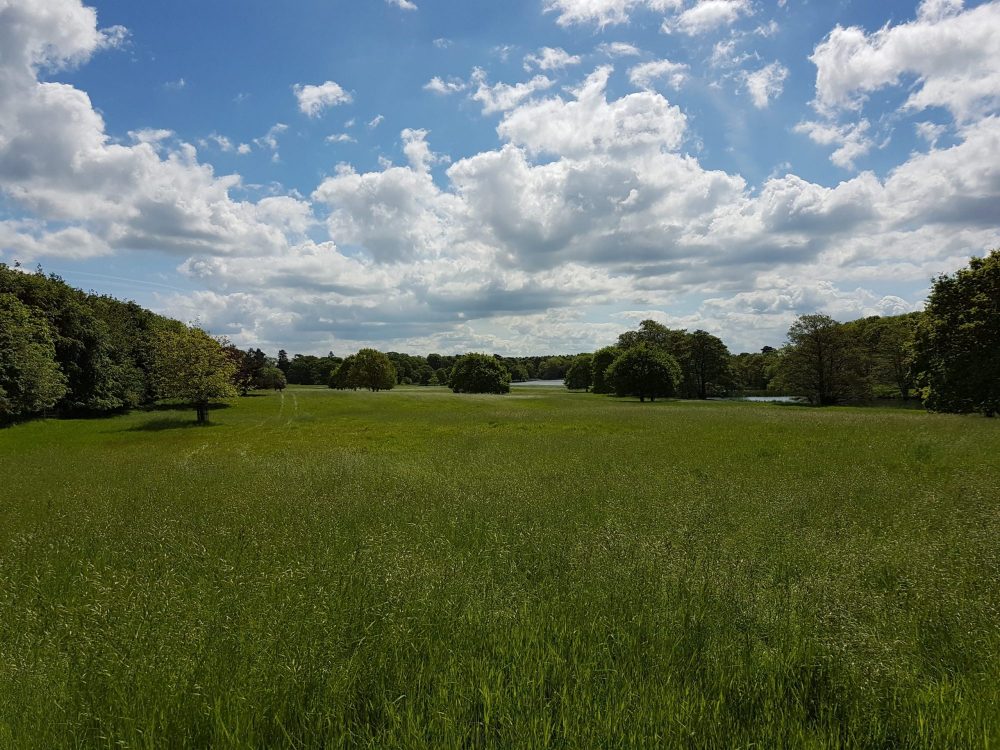
Biodiversity net gain across Cambridgeshire
Cambridgeshire presents a distinctive combination of research-led growth, expanding settlements, intensively managed farmland and extensive lowland water networks. A development near Cambridge can face very different ecological questions from a proposal in Fenland or on the county's western claylands. Effective biodiversity net gain advice recognises those differences from the outset.
Collington Winter Environmental supports developers, landowners and project teams with practical BNG assessment and planning advice. We are based in Bolton and work throughout England, arranging travel for site work alongside remote coordination. In Cambridgeshire, our focus is on understanding the baseline, identifying realistic habitat outcomes and making the relationship between development design, biodiversity units and long-term management clear before commitments are made.
Growth pressures and the development context
Housing, employment space, research facilities, logistics and supporting infrastructure place substantial demands on land around Cambridge and elsewhere in the county. Settlement expansion can affect large agricultural parcels, while urban redevelopment may involve smaller areas of scrub, trees or previously developed land. Rural diversification and renewable energy proposals introduce another range of site conditions.
The apparent simplicity of a flat, cultivated site can conceal important ecological connections. A boundary ditch may link wetland habitats, a hedgerow may provide a commuting route, and field margins may support wildlife beyond the cropped area. BNG assessment should therefore begin before the layout fixes access points, drainage corridors and developable areas. Early evidence gives designers more freedom to retain features that would be difficult or costly to replace.
Planning authorities and geographical boundaries
Within the administrative county, district-level planning authorities include Cambridge City Council, South Cambridgeshire District Council, East Cambridgeshire District Council, Fenland District Council and Huntingdonshire District Council. Cambridgeshire County Council determines relevant county matters. Peterborough is a separate unitary authority, although it shares wider environmental relationships and the local nature recovery strategy area with Cambridgeshire.
This distinction matters when assembling planning information or assessing off-site options. A familiar regional label does not establish which council will determine an application. Local policy, validation requirements and ecological evidence should be checked for the actual site. Joint planning arrangements may influence how services operate, but the project still needs a clear understanding of the applicable policies, decision-maker and required submission documents.
Fenland, claylands and chalk influences
Cambridgeshire's landscapes range from the drained Fens to claylands, river valleys and chalk-influenced areas in the south and east. These differences affect soils, water availability, existing habitats and the feasibility of proposed enhancements. A meadow prescription suited to one part of the county may perform poorly on another site's nutrient-rich or seasonally waterlogged ground.
Habitat design should follow an assessment of these underlying conditions. Creating species-rich grassland can require a realistic establishment method and sustained nutrient management. Wetland creation depends on water supply, levels and permissions, not simply excavating a depression. Woodland planting also needs careful positioning, particularly where open landscapes already support valuable habitats or species. The most credible BNG strategy works with the land's ecological potential rather than against it.
Rivers, drains and designated wetlands
The Cam, Great Ouse, Nene and their associated tributaries and drainage systems are central to the county's ecological character. Fenland drains can provide significant habitat even where their primary purpose is water management. Watercourse assessment should consider vegetation, bank structure, connectivity and management, alongside the site's wider hydrological setting.
Important wetland designations include Wicken Fen, Woodwalton Fen and the Ouse Washes, with different statutory protections applying across these areas. Their presence does not mean every nearby proposal has the same constraints, but it makes careful screening important. Effects involving water quality, water levels, disturbance or habitat connectivity may require assessment beyond the BNG calculation. Biodiversity gain cannot substitute for the separate protection afforded to designated sites.
Survey planning in an agricultural landscape
Habitat mapping and condition assessment establish the baseline for the metric. Additional survey needs depend on the proposal and surrounding features. Cambridgeshire sites may require investigation of water voles in suitable drains, bats using trees or buildings, breeding birds, reptiles, or great crested newts where suitable ponds and terrestrial habitats occur.
Large open fields should not be treated as ecologically empty, and a ditch should not be classified solely from a map. Botanical survey is generally most informative during the growing season. Species surveys have separate timing and method requirements, while vegetation cutting, crop cover and water levels can affect what is visible. A planned survey programme should account for access restrictions and agricultural operations, reducing the risk of incomplete evidence or repeat visits.
Calculating biodiversity units correctly
Mandatory BNG generally requires at least a 10% increase for development within scope, subject to exemptions and any applicable higher requirement. The statutory biodiversity metric quantifies habitat losses and proposed gains using factors including area or length, distinctiveness, condition, strategic significance and delivery risks. It supports decisions but does not replace ecological judgement.
Area habitat units, hedgerow units and watercourse units are separate. A development crossing several drains may therefore need a different response from one affecting only cultivated fields. Whether a feature is assessed as a watercourse must follow the relevant guidance. Trading rules and risk multipliers can materially change the provision required, so an early draft calculation is useful before habitat commitments or unit purchases are finalised.
When the small sites metric is appropriate
Smaller residential or commercial schemes may qualify to use the small sites metric, but eligibility must be checked against the current rules. The presence of certain habitats or constraints can prevent its use. A proposal should not be placed on the simplified route merely because the applicant considers it minor development.
Cambridgeshire village infill, small business premises and farm-related schemes can have tight boundaries and limited options for habitat creation. It is important first to establish whether mandatory BNG applies, including whether any exemption is properly supported. Where assessment is required, the chosen metric must match the site and proposal. Simplification does not remove the need for reliable habitat information, suitable design or a clear account of how gains will be maintained.
Finding workable on-site gains
Retaining existing habitat is often the most dependable starting point. Protecting a ditch corridor, established hedgerow or mature tree can preserve ecological function and avoid creating a larger replacement obligation. Retained features need appropriate construction protection, buffers where necessary and a management approach compatible with their intended condition.
Potential new habitats include grassland, scrub, hedgerows, ponds and carefully designed wetland features. Sustainable drainage can contribute where the resulting habitat qualifies and its ecological management is feasible. However, flood storage, maintenance access, water treatment and biodiversity objectives must work together. Around intensively used developments, trampling, nutrient inputs and routine landscaping can undermine ambitious habitat targets. The metric should reflect the outcome that the scheme can genuinely deliver, not an idealised landscape plan.
Off-site units and regional opportunities
Some projects cannot achieve all required gains within their boundaries. Suitable off-site provision can address the remaining shortfall, subject to habitat matching, trading requirements and spatial risk treatment. Options may include a registered habitat bank or a bespoke project on other land, with the necessary legal and registration arrangements.
Before discussing BNG units, we establish which unit categories the development needs and whether the proposed layout can reduce that requirement. A nearby unit source is not automatically appropriate if it supplies the wrong habitat type. Conversely, an option outside the immediate district may remain usable with the correct metric treatment. Developers should understand allocation, delivery timing and documentation before relying on a purchase. Statutory credits sit at the end of the biodiversity gain hierarchy.
Habitat banking for farmers and estates
Cambridgeshire landowners may see opportunities to diversify through habitat creation, particularly where a project could strengthen an existing ecological network. That opportunity requires careful appraisal. Productive capacity, soil condition, water management, tenancy terms and existing environmental commitments can all influence whether a parcel is suitable for a habitat bank.
A feasibility review should distinguish gross habitat potential from the units that may actually be saleable. Baseline value, target condition, establishment difficulty and delivery times all matter. Financial planning also needs to include long-term management, monitoring, professional fees and legal obligations. Where other public or private environmental funding is involved, additionality and compatibility must be examined. Habitat banking is a long-term land management undertaking, not simply a change in the crop grown next season.
Local nature recovery and landscape connections
Cambridgeshire and Peterborough form a shared local nature recovery strategy area. Relevant published mapping and priorities should be reviewed when developing a proposal and assessing strategic significance within the metric. The strategy's wider geography reflects ecological relationships that do not stop at a district or unitary boundary.
Opportunities may involve linking wetland habitats, improving river corridors or strengthening connections across agricultural landscapes. Established landscape-scale restoration activity, including around the Great Fen, illustrates why the position of a habitat project can matter as much as its size. Nevertheless, proximity to an initiative does not automatically confer a particular metric score. Any claimed strategic significance needs an evidence-based justification, and the proposed habitat must remain suitable for the land and achievable management regime.
Gain plans, HMMPs and delivery obligations
A biodiversity gain plan records how the development meets the applicable biodiversity gain objective. For permissions subject to the statutory biodiversity gain condition, approval is required before commencement under the relevant arrangements. Planning-stage preparation should demonstrate a deliverable approach rather than defer unresolved habitat deficits until construction is imminent.
The habitat management and monitoring plan, or HMMP, sets out establishment, ongoing management, monitoring and corrective measures. Relevant off-site gains and significant on-site gains require security for at least 30 years. In Cambridgeshire, prescriptions may need particular attention to drainage management, changing water levels and access for machinery. Responsibilities should be explicit so that habitat targets are not compromised by routine operational decisions or unclear maintenance boundaries.
Working with Collington Winter
We help project teams understand survey requirements, test habitat proposals and identify a practical BNG route. A BNG consultant can bring together ecological evidence, metric calculations and delivery considerations before separate project decisions create avoidable conflicts. For landowners, we can explore the initial suitability of land for habitat creation and the questions requiring further investigation.
We coordinate Cambridgeshire work from Bolton, using remote meetings and document review where efficient and travelling for required site activities. Our advice is tailored to the agreed project scope, whether that involves an early feasibility question or supporting a developed strategy. To discuss your site, contact us or call 01204 939 608.
Frequently asked questions
+Is Peterborough covered by the Cambridgeshire local nature recovery strategy area?
Cambridgeshire and Peterborough share a local nature recovery strategy area. Peterborough remains a separate unitary planning authority, so planning jurisdiction and nature recovery geography should not be confused.
+Do Fenland drainage ditches count in a BNG assessment?
They need assessment rather than automatic exclusion. Their habitat classification and any treatment within the watercourse module depend on their characteristics and the relevant metric guidance.
+Can development near Wicken Fen rely on BNG instead of designated-site assessment?
No. Any necessary assessment of effects on designated features is separate from the BNG calculation. A positive metric result does not resolve those obligations.
+Is species-rich grassland suitable for every Cambridgeshire field?
No. Soil fertility, hydrology, existing vegetation and the management available influence feasibility. Survey and establishment advice should inform the target habitat and condition.
+Can land near the Great Fen become a habitat bank?
It may have potential, but proximity alone is insufficient. Existing habitat value, hydrology, land control, additionality, management costs and unit demand all need assessment.
+Can a small Cambridge infill scheme use the small sites metric?
Possibly, if it meets the eligibility rules and mandatory BNG applies. Site size alone does not settle eligibility, particularly where relevant ecological constraints are present.