
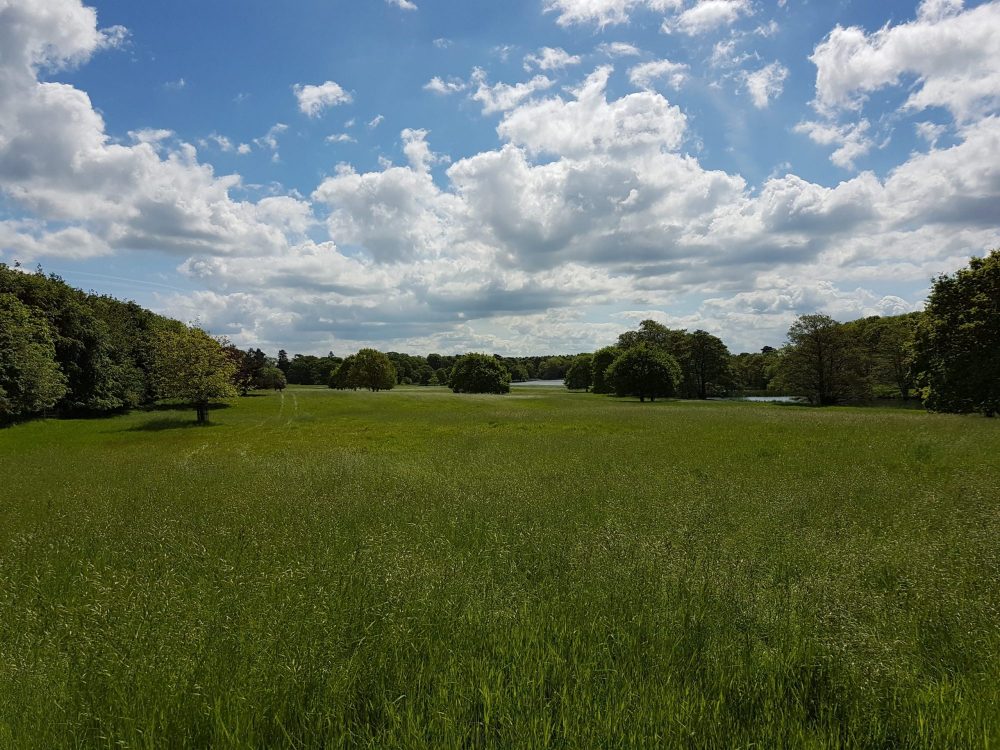
Farm development BNG depends on the proposal
Biodiversity net gain for agricultural development starts with the planning route and the habitats affected. A machinery barn on an established yard presents different issues from a new livestock building, silage clamp or diversification scheme extending into grassland. Agricultural use does not automatically make land low-value, and farm ownership does not define the assessment boundary.
Collington Winter provides ecology and landscape services throughout England. Coordinated advice can connect the building layout, working yard, access, drainage and habitat proposals before submission. An early BNG consultant review should establish relevant evidence rather than begin with an assumed biodiversity unit purchase.
Distinguish permitted development from full planning
Development carried out under permitted development rights is exempt from mandatory BNG. Agricultural proposals requiring full planning permission may be within scope. Prior approval procedures can sit within permitted development, but not every barn, track or change of use qualifies. Confirm the route with the planning adviser and check limitations and conditions. See official exemption guidance.
For applications from 6 August 2026, sites with a red line area of 0.2 hectares or below are exempt unless on-site priority habitat is negatively affected. A separate exemption covers qualifying whole temporary developments with removal and reinstatement within five years or less, subject to the same priority habitat restriction. The self-build exemption was removed for new applications from that date. A farmhouse proposal should not rely on outdated advice.
An exemption from BNG is not permission to disturb protected species, remove protected hedges or disregard designated sites. A barn conversion can be exempt under its planning route while still needing species surveys. Record these as separate workstreams.
Understand the red line and wider holding
The planning red line defines the development site for BNG purposes. It is not interchangeable with the farm's ownership boundary. A holding might extend across hundreds of hectares while the application concerns one building and its associated works. Conversely, the footprint may include access widening, drainage and landscaping beyond the building itself.
Prepare the boundary with the planning team so that it accurately represents the proposal and application requirements. Do not omit integral works to obtain an exemption. Distinguish land needed for the development from separate land merely available in the same ownership. Land outside the red line is off-site for BNG even if the applicant owns it. Government guidance on developers' own off-site land explains the delivery route.
Survey fields and boundaries properly
A farm baseline should reflect actual habitats, not a general description such as agricultural land. Cropped fields, temporary grass, established pasture, field margins, ponds, ditches, trees and hedgerows can contribute differently. Grassland classification and condition may need botanical evidence at a suitable time. An intensively managed appearance does not establish a particular metric category.
Map hedgerows and other linear features as well as area habitats. A new entrance might remove only a short hedge section but still create a separate assessment issue. Surplus area habitat units cannot automatically compensate for a hedgerow deficit. The statutory metric uses specific categories and trading rules. Review government BNG guidance alongside the calculation.
Some eligible projects can use the Small Sites Metric, but not every physically small farm proposal qualifies. Habitat complexity and ecological restrictions matter alongside development scale. Choose the tool after checking the actual site, not simply the floor area of the proposed barn.
Include yards, storage and access works
For a new barn, assess the complete operational arrangement: footprint, apron, turning space, loading, services and drainage. A compact building can need a much larger working area. Silage clamps and livestock facilities may require containment or drainage infrastructure that changes where habitat can safely be retained or created.
Existing yards also need evidence. Concrete may have a different baseline from vegetated banks, margins and neglected corners. Replacing an established surface does not justify classifying adjoining land the same way. Verify mapped boundaries through survey and reconcile them with engineering drawings. Track widening, passing places, visibility splays and gateways can affect hedges or verges beyond the apparent building plot. Put these works into the first ecological brief.
Design around a working farm
Habitat proposals must coexist with machinery movements, livestock management and seasonal operations. Consider turning circles, harvest traffic, emergency access and maintenance of drains, fences and buildings. Habitat squeezed into repeatedly disturbed working margins may not achieve predicted condition.
Check grassland enhancement against nutrient history, soil conditions and practical management. Reducing fertility or changing cutting and grazing needs an achievable programme, access and a responsible person. Tree and hedge proposals should allow for mature dimensions without obstructing sightlines or equipment movements. Diversification adds lighting, parking, pedestrian routes and different maintenance expectations. A flower-rich area beside busy visitor parking needs a management approach reflecting actual disturbance, not an idealised illustration.
Compare delivery options
Where mandatory BNG applies, the standard objective is at least 10%. Significant on-site gains and off-site gains must be maintained for at least 30 years. The biodiversity gain plan needs approval before commencement. These obligations should inform the farm business decision before land is committed.
Apply the hierarchy relevant to the proposal. Under the 2026 amendments, minor developments that remain within mandatory BNG can choose off-site provision directly. Other development categories retain their applicable hierarchy. Statutory credits are a last resort, not another name for privately purchased units. Compare realistic habitat management with suitable external supply using our BNG units guide.
Use separate farm land without double counting
A farmer developing one part of a holding can potentially create or enhance habitat elsewhere as registered off-site provision. Start with that parcel's baseline and calculate the gain from a realistic intervention. Existing habitat value is not automatically a saleable uplift. Damaging habitat before recreating it does not generate a legitimate shortcut.
Off-site provision needs legal security, normally through a planning obligation or conservation covenant, plus registration and allocation. Government registration guidance covers ownership or lease evidence, secured boundaries, the metric and management information. A lease must support the obligations, with additional parties involved where necessary.
Maintain a clear unit ledger. Units allocated to a new barn cannot also be sold to another developer or claimed for a later diversification application. Where land participates in another environmental scheme, check compatibility and additionality before assuming payments can be combined. Review implications for tenants, succession, future infrastructure and management access with appropriate advisers. Our habitat banking guide explains the wider model.
Agricultural development checklist
- Confirm permitted development, prior approval or full planning status.
- Measure the complete application red line, including ancillary works.
- Assess exemption eligibility using application date and priority habitat impacts.
- Survey fields, yard edges, hedgerows, trees and drainage features.
- Overlay habitats with machinery movements, livestock routes and utilities.
- Confirm separate gain land is available for the required management period.
- Reconcile units allocated to your project with units committed elsewhere.
- Assign funding, management and monitoring responsibilities.
Translate the approach into the biodiversity gain plan and habitat management and monitoring plan. Keep them consistent with final planning and drainage drawings. Establishment, monitoring and corrective work should be included in budgets rather than assumed to fit existing farm operations.
Hypothetical example: grain store and entrance
This example is illustrative, not a client case study. A farm proposes a grain store beside an existing yard, with a wider entrance and turning area. The scheme requires full planning permission and its complete red line exceeds 0.2 hectares. Survey identifies sealed yard, cropped land, a grass margin and a hedge affected by access works.
The team adjusts access to reduce hedge loss and calculates remaining requirements. A separate field corner in the same ownership is investigated for off-site enhancement. Its baseline, target condition, legal security and allocation are assessed before it is included as a solution. No unit quantity or planning approval is assumed.
Prepare a useful farm project brief
Provide the red line, layout, planning route advice, tenancy information, available ecological reports and details of separate gain land. Include operational requirements that cannot move. Contact Collington Winter to discuss ecology and landscape input for agricultural BNG throughout England.
Official guidance reviewed on 18 November 2026. Confirm current requirements and application history before relying on an exemption or delivery arrangement.
Frequently asked questions
+Does a new agricultural barn always need BNG?
No. The planning route and exemption criteria determine the position. Permitted development is exempt, while a barn requiring full planning permission may be within scope. Check the complete red line, application date and priority habitat impacts. Agricultural purpose is not itself a general exemption.
+Does agricultural prior approval trigger BNG?
Prior approval can form part of permitted development, which is exempt. However, the proposal must meet the relevant rights, limitations and conditions. Obtain planning advice rather than assuming every agricultural application qualifies. Protected species and other ecological requirements remain separate.
+Is the BNG boundary the farm boundary?
Usually not. The planning red line defines the development site, while the holding may be much larger. Include land properly needed for access and ancillary works. Habitat provision outside the red line is off-site even where the same farmer owns both parcels.
+Can a farm use its own field for off-site gains?
Potentially. Land outside the development red line can support habitat creation or enhancement for the owner’s project. It needs a defensible baseline, valid calculations, legal security, registration and allocation. Common ownership does not remove those requirements.
+Can the same units support two planning applications?
No unit can be allocated twice. A gain site may support several developments only where there are sufficient separate, unallocated gains and allocations are correctly recorded. Maintain a ledger covering your own applications and external sales before committing supply.
+Is arable land always a low-value baseline?
Do not assume the whole development site is equivalent to cropped land. Survey actual habitats, including margins, hedges, ponds and access features. Boundary losses can materially change the requirement even where the main field has a relatively modest metric value.
+Can grazing continue on land secured for BNG?
It may be compatible where the agreed objectives require appropriate grazing. Stocking, timing and ground conditions must support target habitat condition and legal commitments. The management plan should set out permitted operations, monitoring and corrective action for the land manager.
+Does an existing concrete yard remove the need for ecology?
Not necessarily. Establish the sealed area and identify adjoining vegetation, structures and drainage features. Check whether access works extend beyond the yard. A BNG exemption does not resolve species issues associated with buildings or other features.
About the author
Olivia Collington
Olivia is Managing Director of Collington Winter Environmental and a Chartered Environmentalist with the Institute of Environmental Sciences. She holds Natural England bat, great crested newt and badger mitigation licences and specialises in Biodiversity Net Gain assessments using the statutory metric.
View profileRelated reading
- Biodiversity Net Gain 2024: Guidance on new rules
- Habitat Bank Creation: What you need to know
- Alternative Farm Income: Maximising Opportunities with BNG & Habitat Banking
- What is Biodiversity Net Gain? A Plain-English Guide
- BNG Consultants Bolton: Biodiversity Net Gain Experts
- BNG Consultants Manchester: Biodiversity Net Gain Experts