
- Habitat units reported
- 181+
- Hedgerow units reported
- 75
The project
Collington Winter Environmental delivered a biodiversity net gain and habitat banking scheme at Sceugh, near Penrith in Cumbria. The land was predominantly arable, with modified grassland, boundary hedgerows and scattered trees adding variety to the agricultural setting.
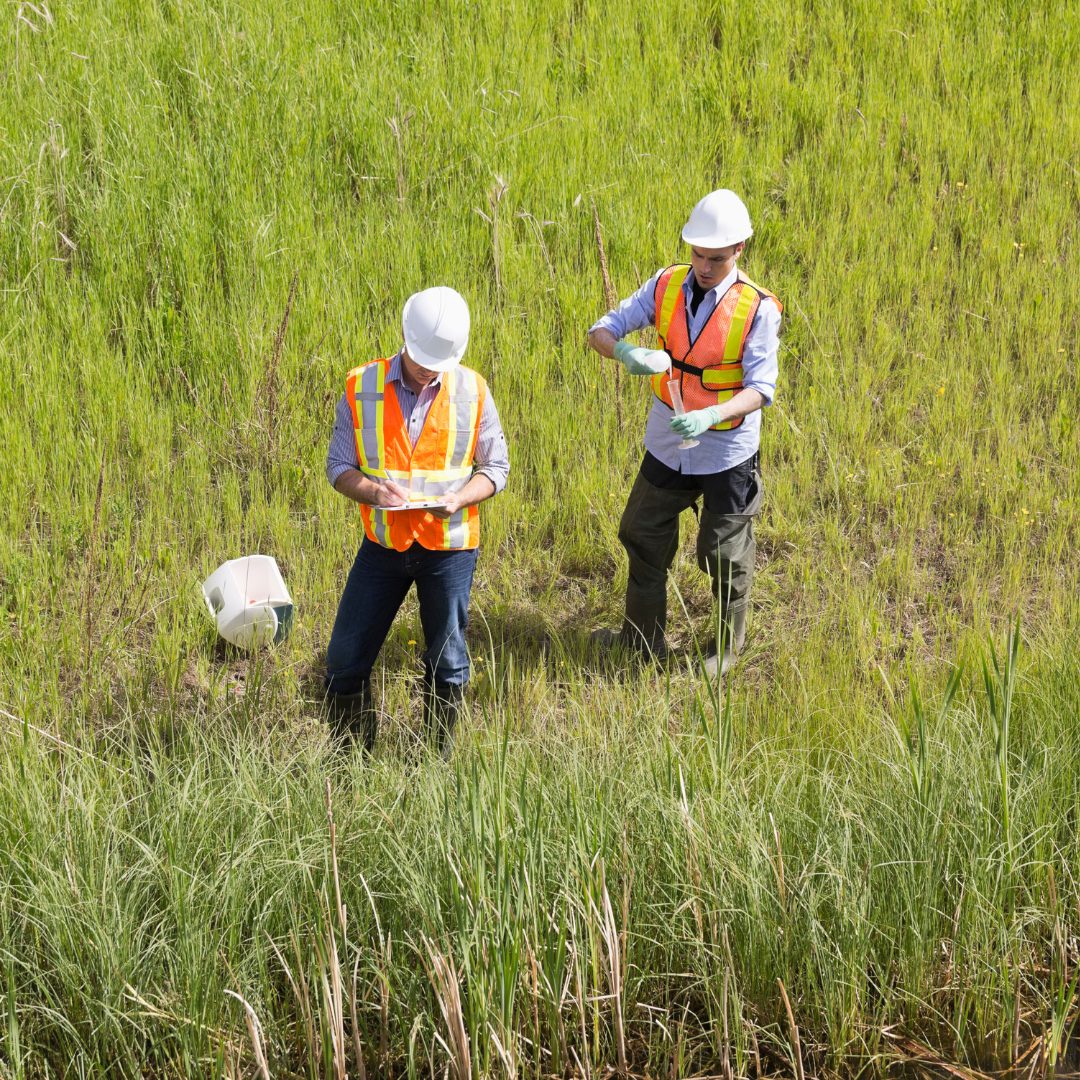
A UKHab baseline assessment identified habitats of generally low distinctiveness while also recognising strong opportunities for enhancement. The statutory biodiversity metric was used to quantify existing biodiversity value and inform a targeted strategy for habitat creation and management.
From agricultural habitats to species-rich grassland
A central part of the scheme was converting areas of arable land and modified grassland into species-rich neutral grassland. The approach combined revised cutting regimes, overseeding and long-term nutrient reduction to encourage greater plant diversity and improve habitat condition.
These measures linked the proposed habitat outcome to ongoing management. The strategy went beyond introducing seed: cutting and nutrient management were also important components of the intended change in habitat quality.
Woodland, scrub and hedgerow improvements
Additional habitat creation included native broadleaved woodland and mixed scrub. New tree planting increased structural diversity, complementing the grassland proposals rather than treating each habitat in isolation.
Existing hedgerows were enhanced through gapping-up, native planting and improved management. Limited new hedgerow creation strengthened connections across the site. Together, the grassland, woodland, scrub and hedgerows formed a more varied and connected habitat network.
A framework for the long term
The source case study describes a 30-year habitat management and monitoring plan with clear condition targets and continuing monitoring. Adaptive management is included so that actions can respond to changing site conditions and support the intended biodiversity objectives.
The published project figures are more than 181 habitat units and 75 hedgerow units. These categories are reported separately, reflecting their different roles within the biodiversity metric. The figures describe the scheme in the source material and do not confirm current unit availability or allocations.
What the project illustrates
Sceugh demonstrates how an agricultural baseline can inform a coordinated habitat creation strategy. Rather than relying on one intervention, the scheme brings together grassland management, woody habitats and hedgerow enhancement to support long-term ecological improvement.
Landowners considering a comparable opportunity can explore our guides to habitat banking, BNG in Cumbria and hedgerow and watercourse units. Contact Collington Winter to discuss a site-specific assessment.
Adapted from Collington Winter’s original case study. Project figures are reproduced from the published account.
About the author
Olivia Collington
Olivia is Managing Director of Collington Winter Environmental and a Chartered Environmentalist with the Institute of Environmental Sciences. She holds Natural England bat, great crested newt and badger mitigation licences and specialises in Biodiversity Net Gain assessments using the statutory metric.
View profile